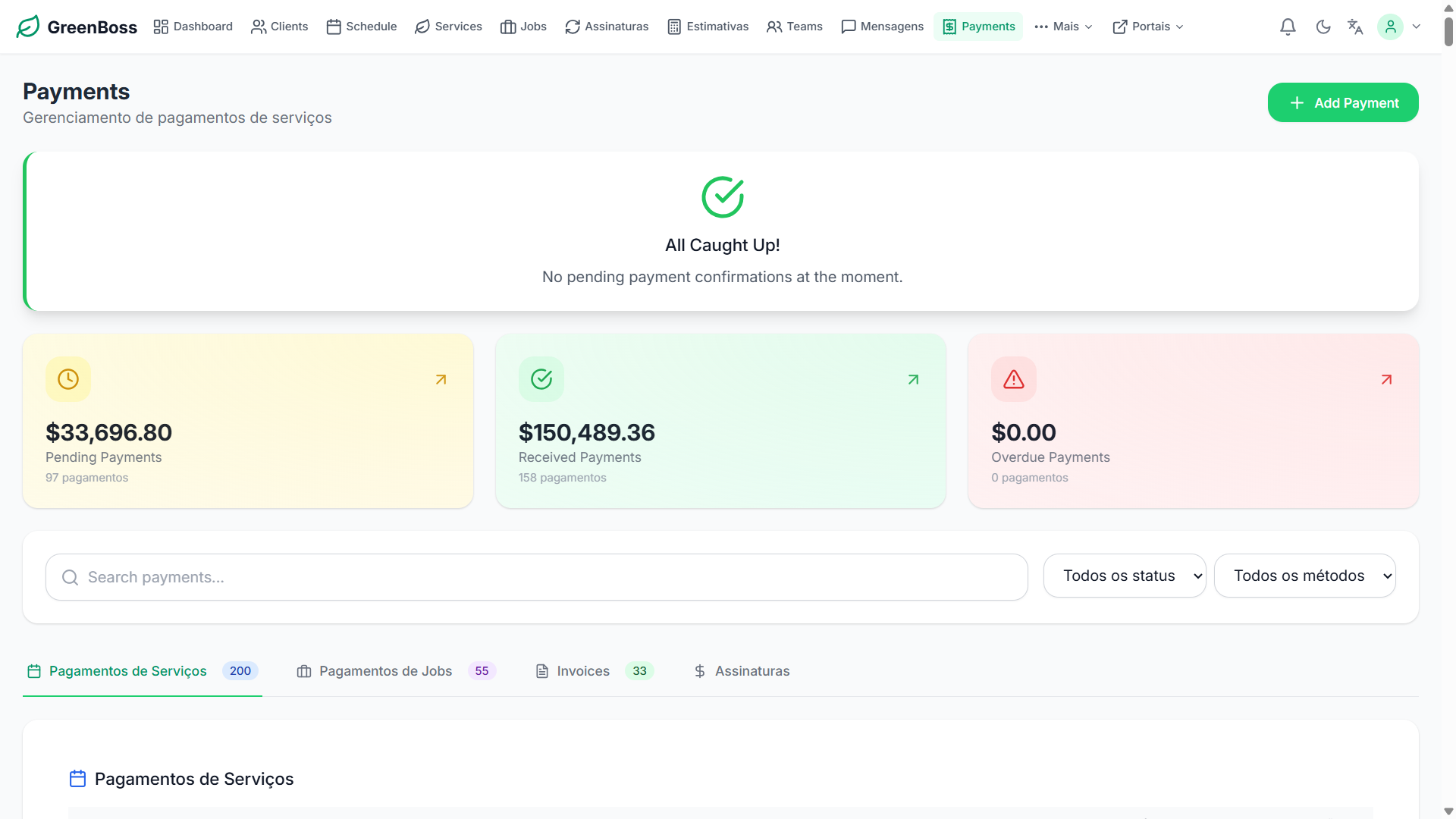
Slow payment is usually a process problem before it becomes a client problem.
If invoices go out late, include vague line items, or make clients work too hard to pay, collections will drag and cash flow will stay tight.
Invoice as close to completion as possible
Speed matters. The longer you wait to invoice, the easier it is for the client to delay payment mentally.
Aim for:
- Deposits for larger or custom work
- Same-day invoicing for completed jobs
- Clear due dates and payment links
Remove friction from the invoice itself
A useful invoice answers the client’s questions immediately:
- What was done?
- When was it done?
- What does each charge cover?
- How can I pay right now?
Add photos, job notes, or a signed completion record when the service benefits from proof of work.
Offer payment options that match real behavior
Clients pay faster when the payment method fits their habits. Most service businesses should support:
- Credit and debit cards
- Bank transfer or ACH
- Instant local methods when relevant
If online payment is available, the invoice should lead straight to it without extra steps.
Automate reminders without sounding aggressive
A payment reminder should feel professional, not confrontational.
Use:
- A friendly reminder on the due date
- A firmer reminder a few days late
- A manual follow-up for larger overdue balances
Consistency matters more than harsh wording. Good billing systems reduce friction before they increase pressure.